Industrial Pump Repair Canada - Pump and Seal Repair and Replacement Services
ISO 9001 Certified
Industrial Pump Repair Canada - Pump and Seal Repair and Replacement Services
ISO 9001 Certified
Choosing the right vacuum pump repair partner can protect production schedules, product quality, and equipment value. Global buyers need more than a polished website or a low service quote. They should examine technical experience, diagnostic tools, replacement-part quality, warranty terms, response time, and documented safety procedures.
John F. O’Hanlon, author of A User’s Guide to Vacuum Technology, has emphasized a practical truth: “Vacuum is not empty space.” That idea matters during every repair. Oil mist, worn seals, damaged bearings, and small leaks can quietly reduce performance. A capable vacuum pump repair provider should identify the cause, not simply replace visible parts. Ask for test data. Request before-and-after readings. Check whether technicians understand rotary vane, dry screw, diaphragm, roots, and turbomolecular pumps.
This guide reviews ten repair services that serve international buyers. It considers workshop capability, field support, communication, turnaround time, and experience with different pump brands. Some providers may excel at emergency repairs, while others offer stronger factory-level refurbishment. No ranking fits every facility. That is worth remembering.
A repair shop may look excellent online yet struggle with export documentation or remote troubleshooting. Buyers should verify references, certifications, service reports, and parts traceability before committing. The best choice depends on your process, pressure range, operating environment, and maintenance budget. Small details matter. A missed leak can become a costly shutdown.
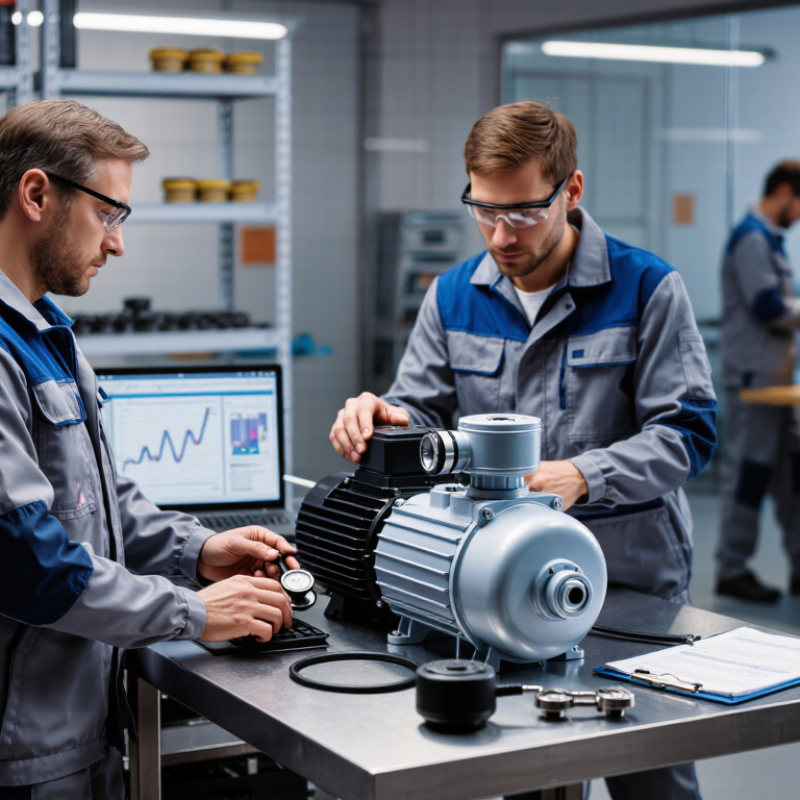
When a vacuum pump loses performance, changing the oil alone rarely solves the problem. Professional repair services begin with intake checks, operating history, noise reports, and measured vacuum levels. Technicians inspect the inlet, exhaust path, motor coupling, bearings, vanes, seals, and electrical controls. A leak test can reveal a loose fitting that looks harmless but disrupts an entire process. Small clues matter. A pump that runs hot may need alignment, cleaner cooling passages, or a different service interval.
Repair work may include disassembly, ultrasonic cleaning, seal and bearing replacement, rotor inspection, oil flushing, and controlled reassembly. Technicians should verify ultimate pressure, pumping speed, temperature, vibration, and current draw after testing. Calibrated gauges and dated test records give global buyers evidence, not promises. Clear reports should list replaced parts, test conditions, maintenance advice, and remaining limitations. This documentation supports safer installation and easier communication across time zones.
International buyers also need practical logistics. Services may provide export-ready packing, serial-number tracking, remote fault reviews, and local voltage checks. Confirming customs paperwork and regional electrical requirements can prevent delays. Yet no repair plan is perfect. A hidden crack may appear only after several operating hours. Reliable providers explain that risk and suggest a monitored restart, spare seals, and follow-up measurements. That honesty can be more valuable than a quick, confident quote.
Global buyers should evaluate vacuum pump repair providers through evidence, not polished promises. A reliable service asks for the pump model, operating history, oil condition, photos, and failure symptoms before quoting. Technicians should explain possible root causes, inspection stages, and performance tests. Be cautious when a provider guarantees same-day repair without seeing the equipment. That is rarely a professional signal.
Request a written repair report with measured values, replaced parts, and final test results. Useful data includes ultimate pressure, leak rate, pumping speed, vibration, and motor current. Parts should have traceable sources and clear compatibility records. Ask whether the workshop can handle contamination safely and package equipment for long-distance transport. Warranty terms must state coverage, exclusions, response time, and return procedures. Regional support also matters when time zones delay technical decisions.
Compare ten providers using the same checklist. Review experience with similar pump types, applications, and duty cycles. Contact recent customers if possible. A low price can hide balancing work, seal replacement, cleaning, or calibration fees. I once treated a short quotation as efficient; missing test details later created costly uncertainty. That mistake changed my evaluation process. Clear documentation often matters more than a fast promise. No provider gets every diagnosis right, so honest uncertainty can be a sign of competence.
Reliable vacuum pump repair begins with regional support. North American providers often offer fast field visits and detailed performance testing. European workshops commonly emphasize precision rebuilding and documented calibration. East Asian and Southeast Asian teams may provide efficient factory-area support and competitive turnaround times. Buyers in India, the Middle East, Latin America, Africa, and Oceania should confirm local parts availability before shipping equipment overseas. Distance matters more than many purchasing teams expect.
The strongest service centers repair several equipment types, including rotary vane, dry scroll, diaphragm, screw, claw, piston, roots booster, liquid ring, and turbomolecular pumps. They should identify the fault before replacing parts. A proper report should show vibration readings, ultimate pressure, oil condition, seal wear, and motor performance. Brand-specific knowledge also matters, even when the provider is independent. Original specifications, compatible materials, and correct controller settings can prevent repeated failures. Ask whether technicians support both older and current models.
A low quote can hide missing tests. That is worth remembering. Experienced providers explain repair limits, warranty terms, and expected service life. They also photograph damaged components and return replaced parts when requested. No repair network is perfect, however. Some workshops promise short lead times but depend on imported seals or bearings. Buyers should request references, accreditation details, and a written acceptance test. Clear records make future maintenance easier, especially when pumps operate continuously in dusty, humid, or high-temperature environments.
When global buyers compare the top ten vacuum pump repair services, expertise should come before price. A qualified team can identify worn seals, damaged bearings, contamination, and alignment problems. Ask how technicians test vacuum levels after repair. Request service records for similar pump types. Detailed inspection photos also show practical experience. Be cautious when a provider promises every repair without reviewing the pump’s history. That confidence may be convenient, but it is not always evidence.
Turnaround time matters when one idle pump slows production. Ask for clear milestones, including inspection, parts sourcing, repair, testing, and dispatch. A quoted three-day repair may exclude parts delays. It may also ignore testing time. Warranty terms need equal attention. Check coverage for labor, replaced parts, and repeat failures. Clarify exclusions caused by contamination, incorrect installation, or unsuitable operating conditions. I prefer written terms over cheerful assurances. Still, written terms can remain vague. Ask for one realistic claim example.
Shipping can quietly add risk. Confirm protective packaging, moisture control, tracking, insurance, and export documentation. Heavy pumps need secure crates, not loose wrapping. Ask who handles customs communication and unexpected charges. A repair is not complete when it leaves the workshop. The provider should supply a test report, packing list, and installation checks. Communication also matters across time zones. One overlooked detail can delay delivery more than the repair itself. Not every service handles this equally well.
Global buyers should select a repair partner by evidence, not attractive pricing. The U.S. Department of Energy reports that motor-driven equipment uses more than half of industrial electricity. Poor pump efficiency can therefore increase operating costs quickly. Ask for measured ultimate pressure, pumping speed, vibration, temperature, and power consumption before approving repairs. Measure the baseline.
A capable service provider should offer documented failure analysis, calibrated instruments, traceable replacement parts, and clear warranty terms. ISO 14224 emphasizes consistent equipment failure and maintenance data for reliable analysis. Request a sample service report showing root cause, replaced components, test conditions, and final readings. Details matter. Confirm technical support across time zones, export documentation, packaging standards, and emergency communication procedures. A repair partner should also explain which components are original specifications and which are approved alternatives.
Management continues after the pump returns. Set agreed turnaround times, escalation contacts, inspection checkpoints, and acceptance criteria in writing. The International Energy Agency’s Energy Efficiency 2023 report highlights the importance of monitoring industrial energy performance, making post-repair power checks valuable. However, a checklist is never perfect. Hidden contamination, unstable processes, or incomplete operating history can distort conclusions. Share process data honestly, retain old parts for review, and compare performance after 30 and 90 days. Cheap quotes mislead. The lowest repair cost may create repeated downtime, missed production, and higher freight expenses.