Industrial Pump Repair Canada - Pump and Seal Repair and Replacement Services
ISO 9001 Certified
Industrial Pump Repair Canada - Pump and Seal Repair and Replacement Services
ISO 9001 Certified
Industrial equipment maintenance is vital for business sustainability. According to Jane Smith, a leading expert in industrial operations, "Neglecting equipment maintenance can lead to catastrophic failures." This statement highlights the importance of regular maintenance in preventing costly downtime.
Proper industrial equipment maintenance ensures that machines operate at peak performance. Routine checks can identify minor issues before they become major problems. For example, a small leak can escalate into a significant failure, disrupting production. Neglecting maintenance can also increase operational costs. Businesses may face unexpected breakdowns that affect productivity and profitability.
Yet, many companies struggle with maintenance scheduling. Staff may be too busy, or they lack sufficient training. This oversight can lead to serious consequences. Regular training on industrial equipment maintenance can address these gaps. By investing in maintenance, businesses can prevent losses and promote a safe working environment. Effective maintenance practices reflect a company's dedication to quality and efficiency. Implementing these strategies not only protects assets but also contributes to long-term success.
Industrial equipment maintenance plays a pivotal role in ensuring the smooth operation of any business. Regular upkeep of machinery prevents unexpected breakdowns, which can lead to costly delays. Additionally, well-maintained equipment often operates more efficiently, thus saving energy and reducing operational costs. Simple tasks like lubrication, cleaning, and regular inspections can make a significant difference in longevity and performance.
Ignoring maintenance can lead to dire consequences. A single malfunction can halt production, affecting deadlines and customer satisfaction. Businesses may find themselves scrambling to find quick fixes, often at a premium cost. It's easy to overlook preventive measures during busy periods, but this short-sightedness can haunt companies later on.
Investing time in maintenance routines can enhance reliability. Employees feel more secure operating well-functioning equipment. Moreover, adhering to maintenance schedules reflects a company's commitment to quality and professionalism. In a competitive landscape, a reputation for operational excellence can set a business apart. Regular assessments of equipment condition ensure that potential issues are identified early, preventing escalation into larger, more complex problems.
Equipment downtime can severely hinder productivity in any industrial setting. According to a report by the National Academy of Sciences, equipment failures can lead to losses of approximately $50 billion annually in the U.S. alone. It’s striking to learn that unplanned downtime can cost a single manufacturer $250,000 per hour. This figure highlights how critical it is to maintain machinery efficiently.
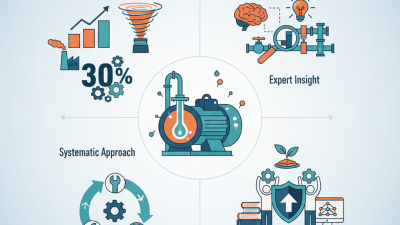
Regular maintenance schedules are essential to prevent unexpected failures. A study from the U.S. Department of Energy found that companies that implement a proactive maintenance strategy can reduce downtime by up to 30%. Effective maintenance not only prolongs the life of the equipment but also ensures that operational processes remain smooth. Investing time and resources into maintenance helps identify potential issues early, ensuring that production schedules are met without unnecessary interruptions.
However, many businesses still neglect maintenance due to budget cuts or lack of awareness. This oversight can create a false sense of security. A well-maintained machine may still fail if monitoring is inadequate. Companies risk losing more by avoiding maintenance than proactively investing in it. Reflecting on these challenges can drive businesses to reassess their maintenance practices and prioritize consistent, thorough checks.
Regular maintenance of industrial machinery is crucial for ensuring operational efficiency. Equipment breakdown can lead to costly downtimes. By scheduling routine inspections, businesses can identify wear and tear before they escalate. This proactive approach minimizes unexpected failures. Every machine requires attention, and neglecting one can impact the entire production line.
Moreover, regular maintenance enhances the lifespan of machinery. Components that are consistently checked and serviced perform better over time. The result is lower additional costs and reduced need for replacements. Employees also feel more secure when they operate well-maintained machinery. Safety is a major concern in industrial environments. When equipment is reliable, it creates a safer workplace.
However, maintenance can sometimes be overlooked. It may seem like an added expense when budgets are tight. Some companies may not realize that skipping maintenance can lead to higher costs down the line. Investing time and resources in maintenance reveals its true value over time. A well-maintained machine not only operates efficiently but also contributes to the overall success of the business.
Implementing an effective maintenance plan for industrial equipment is crucial. It not only increases equipment lifespan but also ensures safety. A well-structured approach can reduce downtime and enhance productivity. Regular inspections should be part of your routine. Check belts, lubrication, and electrical components frequently to avoid unexpected breakdowns.
Creating a schedule for maintenance is key. Analyze past data to identify the best times for servicing equipment. Ensure that your team is trained on maintenance procedures. This reduces the chance of human error, which can be costly. Seeking external training can also elevate your team's skills.
Documentation is essential in this process. Keep detailed records of all maintenance tasks performed. This helps identify patterns and areas that need improvement. If something goes wrong, having a clear history can guide troubleshooting. Make adjustments to your plan based on past experiences. Recognize that no plan is perfect. Continuous improvement is necessary for success.
Neglecting equipment maintenance can have serious consequences for any industrial business. When machinery is not regularly serviced, the risk of unexpected breakdowns rises significantly. These breakdowns can halt production, leading to costly downtimes. Furthermore, if a piece of equipment fails, it can require extensive repairs. This not only translates to financial loss but can also affect workplace safety.
Employee morale can suffer when machines consistently malfunction. Workers may experience increased stress due to delays and accidents. Additionally, unmaintained equipment often operates less efficiently. This inefficiency can drive up energy costs and decrease overall productivity. In many cases, a decline in product quality follows suit. The ripple effects of neglect can extend beyond immediate financial concerns, affecting the company's reputation.
Moreover, frequent repairs can become a recurring expense that chips away at profits. Investing in preventive maintenance may seem costly upfront, but it can save money over time. Yet, many businesses overlook this critical aspect. Regular maintenance schedules and check-ups are essential for sustaining operations. Ignoring these practices could lead to regrettable losses and missed opportunities for growth.