Industrial Pump Repair Canada - Pump and Seal Repair and Replacement Services
ISO 9001 Certified
Industrial Pump Repair Canada - Pump and Seal Repair and Replacement Services
ISO 9001 Certified
Industrial pump repair is critical for maintaining efficiency in manufacturing processes. Pumps are the backbone of many industrial operations. When they fail, production can come to a standstill. The key lies in understanding the nuances of pump maintenance and repair. Each pump type has unique characteristics that require tailored approaches.
Many companies overlook routine inspections and preventive measures, leading to costly breakdowns. Some repairs may not address the root cause, causing recurring issues. It's vital to analyze why there is a lack of preventive strategies and how it affects performance. Investing in proper training and resources can avoid these pitfalls.
Effective industrial pump repair enhances longevity and reliability. Technicians should be equipped with expertise in specific types of pumps. This knowledge improves repair strategies. An ongoing commitment to best practices in maintenance can significantly reduce downtime. Neglecting these practices can have serious repercussions for operational efficiency.
Maintenance is critical for the longevity of industrial pumps. Research shows that regular maintenance can extend pump life by up to 30%. Many facilities overlook this aspect, leading to costly downtime. Understanding the operational conditions and wear mechanisms is essential. Equipment that operates beyond its rated capacity often fails prematurely. Regular inspections can identify abnormal wear patterns before they escalate into bigger issues.
According to the Hydraulic Institute, about 75% of pump failures result from improper maintenance. Many maintenance programs are reactive rather than proactive, which is concerning. Predictive maintenance tools, such as vibration analysis, can provide early warnings. Investing in such tools may seem expensive but can pay off significantly in reduced repair costs. Data from various industry reports indicate that a well-maintained pump system is 30% more energy-efficient.
Moreover, training personnel on the importance of pump care cannot be neglected. Many operators fail to recognize early signs of wear. Establishing a culture of continuous improvement can bridge this gap. Reviewing maintenance logs regularly can provide insights into recurring issues. This reflection can lead to more informed strategies for extending pump longevity.
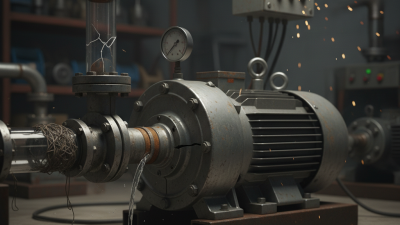
Industrial pumps are vital for various operations. However, they are prone to several common failures that can lead to costly downtimes. Identifying the root causes is essential for effective repair and longevity. One frequent failure is seal leakage. This often occurs due to wear or improper installation. Regular inspection can help detect issues early.
Another common issue is bearing wear. Mechanical stress and inadequate lubrication can contribute significantly to this problem. When bearings fail, the entire pump can be affected, leading to operational inefficiencies. It's crucial to maintain proper lubrication levels and monitor vibrations during operation.
Tips for maintenance are simple yet effective. Regularly inspect seals for signs of wear. Track operating temperatures closely, as abnormal readings can indicate underlying problems. Consider setting up a maintenance schedule to ensure bearings receive the necessary attention. These practices foster a proactive approach, allowing for timely repairs before failures become critical.
| Failure Mode | Root Cause | Recommended Action | Impact on Longevity |
|---|---|---|---|
| Seal Failure | Poor lubrication or misalignment | Regular maintenance and alignment checks | High - Leads to leaks and operational downtime |
| Bearing Wear | Inadequate lubrication or contamination | Implement proper lubrication schedules | Medium - Can cause noise and increase energy consumption |
| Cavitation | Inadequate NPSH available | Ensure proper pump sizing and installation | High - Causes severe damage to impellers |
| Impeller Damage | Foreign object intrusion or erosion | Install filtration systems and regular inspections | Medium - Reduces pump efficiency |
| Vibration Issues | Imbalance or misalignment | Periodic balancing and alignment checks | High - Can lead to excessive wear |
Diagnosing industrial pump issues requires a systematic approach. Start by observing any unusual sounds. A grinding noise might signal bearing wear. Meanwhile, vibrations could indicate misalignment or cavitation. Gather data from vibration analysis tools for precise readings. This helps in identifying the root cause efficiently.
Next, check for leaks. A sudden drop in pressure may point to seal damage. Inspect connections and joints meticulously. It’s crucial to avoid overlooking even minor leaks, as they can lead to bigger problems. Additionally, reviewing the operating environment helps. Contaminants like dirt or moisture can affect performance. Regular maintenance is key to early detection.
Lastly, analyze the pump's operational history. Document past repairs and performance metrics. This data can reveal patterns and repetitive failures. Reflect on whether past maintenance practices were sufficient. Each of these steps is fundamental in ensuring longevity and reliability, yet they also highlight areas for improvement in your maintenance strategies.
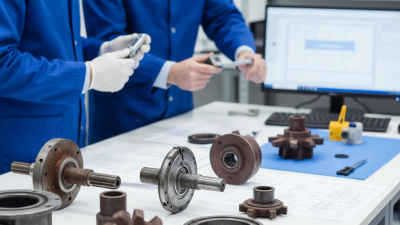
Maintaining industrial pumps requires a blend of the right tools and techniques. Begin by assessing the pump's condition. Use vibration analysis tools to detect any irregularities. Regular checks help identify wear and tear early. When disassembling, organize parts with labeled containers. This avoids confusion during reassembly, ensuring every piece finds its right place.
Selecting the appropriate repair methods is crucial. Use precision measuring tools for alignment checks. Misalignment can lead to premature failure. When sealing components, choose materials compatible with the fluids handled. This prevents leaks and extends pump life. Training staff in these best practices enhances their skills and confidence.
Reflection on these methods is vital. Regular training sessions can highlight areas for improvement. Documenting past repairs helps identify recurring issues. This proactive approach maximizes the longevity of industrial pumps. Repairs are not just fixes; they are opportunities for learning and growth.
Preventive maintenance is crucial for extending the lifespan of industrial pumps. Regular inspections can catch small issues before they escalate. A visual check of pump seals and connections helps identify wear and tear early. Additionally, monitoring vibrations can help detect misalignments. These practices lead to insights into pump performance.
Flushing the system regularly is another effective strategy. This task removes contaminants that can cause blockages and damage. Scheduling routine checks on oil levels and lubrication reduces friction, leading to less wear on moving parts. Operators must also be trained to observe unusual sounds or smells from pumps.
Keeping detailed records of each pump’s performance is vital. It helps track maintenance history and identify patterns. A lack of thorough documentation can create blind spots in maintenance planning. Investing time in these preventive strategies pays off. It not only improves pump reliability but also enhances overall productivity.